Showing posts with label Student Advice. Show all posts

Monday, 2 August 2021

My Experience Job Hunting as a Creative Writing Graduate (So Far)| Carenza Bramwell

Today's blog post marks the first in a new chapter of my life and content on here. I'm going to be sharing my experience job hunting as a creative writing student. In this post, I'll be giving a quick summary of how I got to this place in my life, the steps I've taken and my experience. I want to make content about this as I feel it needs to be talked about more. There is an expectation that students will get jobs straight away and I haven't seen many, if any, people talking about their experiences. I want to open this discussion up and help people like me to feel less alone in this scary part of life.

Who Am I?

For those stumbling across this post, I thought I'd start with a quick introduction. And no, I'm not 24601 (which is a bad Les Miserables joke). In June/July of this year, I completed my degree in Creative and Professional Writing. My specialism is script writing, however I have two years experience as a student journalist, having worked on the student magazine from 2019-2021 in two different roles. I also have experience working with local companies, providing journalism content and some commissioned copywriting. I have been blogging since 2015, creating content on multiple platforms. While I am unemployed, I am working on my content creation full time. 

What Steps Have I Taken?

I started applying for graduate jobs, internships and apprenticeships in February of this year. So far, I have applied to eleven jobs and have been unsuccessful. My first step following finishing my degree was to update my CV. As someone with writing experience, I decided to include a section at the bottom with links to my published work. This includes my blog, work for the student magazine at uni and other work I have done. It probably goes without saying, but having a good CV is very important. Employers judge on what you look like on paper. So, I spent some time updating my CV, making sure it had relevant information on and reflected who I am. My next step was to update my LinkedIn account. I've had one for a while, but I've never really used it. So like with my CV, I spent some time working on it. I know people have mixed feelings about LinkedIn, some love it, some don't. Like a CV, it's a valuable tool. Once my key documents/sites were updated, it was time to start applying for jobs.

My Experience

I'll be honest, job hunting is hard. It's emotionally draining and time consuming. You never hear about the people that take a while to get a job. You always hear about the "success" stories. Those that get jobs after a month or week out of uni. When this post goes live, it will have been over eight weeks since I finished my degree. It will have been nearly six months since I applied to my first graduate job. I have been rejected by over 10 jobs now, not even being invited for an interview. I won't lie and say that it's okay, that something will come along and that this isn't getting me down, because it is. I am someone who likes to be busy and so having all this free time, which isn't really free, is something I'm struggling with.

Graduating during the pandemic and trying to get a job is a lot more competitive than I imagined. Most of the time when I apply, I know I'm going to be rejected. I don't have enough professional experience to get an interview. There was one job when I was certain I'd get an interview. It was an entry level job, it was something I thought I'd be good at and was interested in. So when I didn't get an interview and learnt that over 100 people had applied for this one role, it was gutting. The creative industry is a difficult one to break into, especially since being hit so hard by the pandemic. 

While I am struggling with rejection and not knowing when or if I'll get a job, that isn't going to stop me from trying. Until I get a job, I am using my time to be able to create content full time. I'm also learning about social media marketing as that's a route I'm interested in going down. I know that it's going to take time. Realistically, I know it could be towards the end of the year or next year that I get a job in the creative industry. I'm trying to keep going, while acknowledging the rejections as upsetting. 

This post may seem very bleak, but I hope it has helped you. We all know that the pandemic has been difficult and that lots of us are struggling to find employment. I want to share my honest experiences and be open about the highs and lows of this chapter of my life. I'll make an update as and when I have something to share.       

Monday, 12 July 2021

My Honest Thoughts on My University Experience| Carenza Bramwell

The time has come to reflect on my three years at university. As of publishing this post, I finished my degree five weeks ago. I've had some time to think about my university experience, which is something I've spoken about quite openly on this blog. In this post, I am going to be as honest as I can be about how I feel about my time at uni. A quick disclaimer- I won't be going into specifics to protect the people that are involved in these stories. I will be talking vaguely about certain areas, such as my social life as it's unfair to those people and some things I will be keeping for just me. In this post, I will be talking my academic experience, living experience and what it was like to complete my degree in a pandemic. 

Context

For anyone who is stumbling across this post, I thought I'd provide a little bit of context at the start. I studied Creative and Professional Writing from 2018-2021. I lived in Bristol for almost half of that time in three different houses. I came straight from finishing at school. I was supposed to graduate this year, but due to the pandemic, my ceremony has been delayed. 

The Academic Experience

Let's start this post by talking about my academic experience. Overall, I had an okay experience during my time at university. Studying a creative subject is quite difficult as unlike more "academic" subjects like science etc, there is no right or wrong answer. It's a very subjective course. At times this was difficult as you could put a lot of effort into a piece of work and get a lower grade than expected for various reasons. With writing, I would pour my heart and soul into my pieces. Not to toot my horn too much, but I pride myself on being a very hard worker, so I worked a lot on my pieces. I would write multiple drafts of every piece, always taking feedback and trying to make them better. Sometimes it would feel like my hard work hadn't been rewarded. I experienced a few confidence knocks when something didn't go how I thought it would. While that did happen, I learnt so much from this course. Before starting, I had never heard of copywriting or how to write a screenplay. I look at my work from first year compared to my final year and I can see a lot of growth. I am glad that I have been able to improve my work and gain experience working with industry professionals. During my time at university, I worked on the student magazine for almost two years. I had my work published in local publications. I gained some valuable experience alongside the academic work. 

The Social Experience

While at university, I have made some friends that will be with me for the rest of my life. They have made this an incredible experience. I made some great memories that I won't forget anytime soon. I can't put into words how happy I am that I met these people. Before coming to university, I had never lived with people my own age as I am an only child. It required a bit of an adjustment period. Without going into too much detail, my first term living arrangements weren't ideal. Sadly, they kinda set the tone for the rest of my experience. I had some good memories while living in my student houses, but I also had some bad ones. Having moved home, I can safely say that I think living at home is better for me and my lifestyle. Out of my three houses, my final one was my favourite. It was also the one I spent the least amount of time living in due to the pandemic. I wish I had been able to make the most of being a student living in Bristol, but various things got in the way of that. Like most things in life, there were good times and there were bad times. I think they just about balance out. 

The COVID-19 Experience

We have to talk about what it was like to be a student during the pandemic. The short answer is that it was shit. I don't think any university handled the pandemic well. The sudden move to online learning was a huge disruption. Between March 2020 to the end of my degree, I was on campus twice. I much preferred learning on campus. I do feel lucky compared to the students that started in 2019 because at least I got a whole year as a normal student. Learning online was absolutely not worth the money. I spent most of my time from March 2020 to the end of my degree at home. I do feel that COVID has tainted my university experience. If I had known when I was starting my degree, I would have chosen to do something else. I found online learning exhausting. Compared to March 2020, I struggled a lot with my work. My grade average dropped because of it. My heart goes out to the students returning in September with the uncertainty still there.

Overall, while I am glad I have my degree, various factors made it a less than enjoyable experience. I was interested in doing a Masters, but have since changed my mind. I do think the pandemic had a strong impact on how I feel. It has certainly been an interesting experience.

What was your university experience like?      

Thursday, 8 April 2021

Managing Exams and Deadline Season| Carenza Bramwell

The time that every student dreads has arrived. Exam and deadline season. As I write this, I am five weeks away from handing in my first deadline. This time of year is always hellish and so I wanted to write a blog post about how to manage exam and deadline season.

Now, I can only speak from personal experience. I'm in my final year studying Creative and Professional Writing. Our course is entirely coursework based, meaning I've only done one university exam. I am going to be mostly talking about how to manage deadline season, but I'm sure some of my advice can be applied to those studying for exams. To any students reading this, I want to wish you the best of luck and here are some things I do to make this time period manageable. 

To-Do Lists

This could be a personal preference, but as deadline season approaches, I always feel a bit overwhelmed by the amount of work I have to do. Studying four, intense writing modules, means I have a lot of work to prep for. At this point, I often feel so overwhelmed that I can't start. This is where my first tip comes in. Making to do lists.

I find that setting time aside before I actually start working creating a list of what's due when, what I need to prioritise and so on creates a sense of order in the chaos. I like to write out one big master list with all the things I need to do for all my modules. I include all deadlines (such as when the piece is due and if there's a feedback/tutorial deadline). I like to structure my list in order of which module is due first. I find this means that my priority goes from what is due soon to what is due in the future. 

My method of writing lists involves writing out the master to do list on word/notes etc so then I can go and add stuff as and when I need to. Personally, I am more of a handwriter than typer, but with these lists there's often so much to put on, that typing it is more beneficial. Once I have my master to do list complete, I like to break it down into when I want or need to get stuff done by. I find that breaking it down into a list of dates again makes the chaos seem more manageable. Finally, once I know when I have to get stuff done by, I go and write it on my calendar and my planner. This means I always know what work I've got to do that week.  

Some people view this process as procrastinating, but by taking as much time as you need to make to-do lists or a schedule it means that you can keep on top of your work more efficiently. You aren't trying to work out what you need to do because you already know what you need to do. Everyone has their own method for scheduling and creating to do lists. This is just how I like to do it. Feel free to try my method or stick with what works for you.

Take Breaks

I don't know about anyone else, but this is something I often need to be reminded to do during deadline season. It can feel wrong, but you need to take breaks. Give yourself a rest from all the hard work you're doing. It's okay to do this. 

What I like to do is to schedule in lots of ten minute breaks throughout the day. I try to get two hours of work done in the morning. Starting at around 9:30-9:50am, I get an hours work in, then take ten minutes off. I'll do another hour and then have lunch. I try to get back to work at around 1pm. Depending on how I'm feeling, I like to finish working for the day at between 4-5pm. The largest amount of work I do in an afternoon is about three hours. I always try to get up and move around every hour as I find sitting at my desk all day quite painful.

Recently, I've rediscovered my love for the app called Forest. It's a productivity timer app that you can use to time work sessions from 10 minutes to 2 hours. Lately, when I was feeling a bit burnt out and needed a break, I began using this app again. It's really helped my motivation as I love growing the tiny virtual trees. I'd highly recommend this app.

Again, everyone has their own work methods and how they like to take breaks. This is just the method that works for me. I don't always do everything on my to do list. Please do what's best for you as you know what's best for you. 

Routines

This is something I've touched on briefly in the taking breaks section, but making a routine is really valuable. Especially at the moment when there isn't much structure to our days due to the pandemic. I like to treat my day like a work day. I typically work from roughly 9am-5pm. I take an hour for lunch and make sure I take regular breaks to get up and move the body. 

Once I stop for the day, that's it. I've stopped. I tidy up my workspace so then I'm ready for the next day. I'm very lucky that at my family home I have a separate work space from my bedroom. This means that when I want to finish, I can leave all my work in another room. It creates that separation that I miss about going onto campus. 

My evening routine involves lots of reading. I like to try and read for an hour by myself after I finish working. I do my daily Duolingo for 5-10 minutes a day. I then spend the rest of the evening before I go to bed with my family. I know how difficult it can be to switch off and have that separation during this time, but it is so valuable that you do. It's a mentally and physically exhausting time, so give yourself that little rest-bite that you need to feel recharged for more work the next day.   

So those are my tips on how to manage exam and deadline season. I hope you find these useful and that you are able to use some of them in your own management. Once again, good luck to all the students reading this with deadlines and exams coming up. This year hasn't been easy, but we are so near the end and then we can give ourselves a bit of a break. 
Carenza :) x 

Thursday, 11 February 2021

How to Tackle That Workload| Carenza Bramwell

It can be easy to feel overwhelmed when the workload starts to pile up. As someone graduating in four months, I can relate a lot to the feeling of everything piling up and not knowing what to do. So in today's blog post, I thought I'd share some of the things I do when I feel overwhelmed and unsure how to tackle that workload. This is mostly aimed at students, but can apply to other areas of life.   

My work set up at home


Lists

I am a strong believer in the power of lists. I find that by making a list I can easily organise everything I need to. When I start making a list, at first I just jot things down. I like to write a first draft digitally, so I can go and add things if I need to. If it's a to do list, I will write down all the things I need to do. Often, there is quite a lot and it isn't just for one thing. It could be for uni, within that there's my different modules. It could be blogging or random things I need to do. I then sort it into categories. After sorting it into categories, I then write it on paper. 

My most recent to do list, split into days and colour coordinated 


My favourite thing about physical lists is colour coordinating. I've come to learn that I'm a very visual person. Above is a photo of a recent to do list. It's broken down into days and then tasks that need completing on those days. Lists help keep track of everything and have helped me to stay on top of things. Plus there are so many different ways to make a list which means you'll be able to find the perfect way for you.   

Time Management

This might seem fairly self explanatory and to some degree it is. Learn how to manage your time and that workload will vanish overnight. Or that's how it seems. I'll let you in on a little secret. I'm actually not very good at time management. I try to be, but it really isn't one of my strong suits. So if you're anything like me, here are some tips for how to get better at time management and use it to help with that workload. 

The key I've found is to break it down into manageable chunks. Again, this seems obvious but it isn't always. When things start to pile it up, it can be overwhelming and hard to work out how to tackle it. By breaking it down into manageable chunks, you make something that seems impossible actually possible. Work out how much time a task will take and how much you actually have to give. These are two similar but different things. Say a task might take you twenty minutes, give yourself thirty just in case you need a bit of wiggle room. It takes a long time to become good at time management, years of practice. Don't beat yourself up if you haven't mastered it overnight. 

Organisation Methods  

There are lots of organisation methods out there, so this part is about finding a method that works for you. Personally I am a physically writing it down type of person. I have a planner that I use to write stuff I want to get done and if I have any work that needs completing for another date. I also use it to keep a track of my deadlines and see what I've got coming up. I have a wall calendar as well that I use to keep an overview of everything. Colour coordinating is a big part of how I stay organised. Each of my modules has a different colour, so from a glance I can see what is due when. Within my planner, to do tasks are in a different colour to things that are happening on certain days. It's taken me a while to cultivate this system but I have found that it does help me keep on top of work.  

It may seem like procrastinating but take some time to find out what sort of organisation method works for you. Once you've found something, it will stick and you'll be able to use it to keep on top of that workload. I'd recommend trying seeing if you're a digital or physical person. You could like more traditional planners or you might like the bullet journal style. There's so much out there which means you'll find something that works for you. 

Take a Break

It can be hard when everything starts to get the better of you to give yourself breaks. They are so important. I am just as guilty as the next person of having the mindset of getting everything done then essentially passing out afterwards. This is a really unhealthy mindset. It doesn't have to be a super long break, even five minutes can be enough to give yourself a rest.

I'd recommend the pomodoro method. I know a lot of people who trust this method. It's where you work for 25 minutes, then take a 5 minute break. You are encouraged to use these five minutes doing anything that isn't work related. It could be making a cup of tea or feeding a pet. Give yourself those small breaks that you deserve as you'll be able to do more work without feeling tired or burnt out.

The main take aways from this post to tackle that workload are that a lot of what goes into it is planning. It's working out how to get stuff done, rather than getting stuff done. I spend a good chunk of time planning what I'm going to do each day. It's also vital to take breaks. To anyone out there looking to find ways to tackle that workload, I hope this post helped. 

Carenza :) x  


Monday, 7 December 2020

Christmas and Student Life| Carenza Bramwell

It feels strange to be writing this, but this is my final Christmas as a student. I graduate next summer, which is also strange to be thinking about. As this is my final Christmas as a student, I thought I would share my honest experiences about what it's like to be a student during the festive period. From workload, to finances and packing tips, I think after three Christmas', I've got this nailed. 

You might be thinking that Christmas is no different from any other time of years for students, but I'd say that it's quite difficult. It's a stressful period due to academic and financial pressures. The aim of today's blog post is to share my honest experience and reassure my fellow students that Christmas can still be fun as a student.

Workload

Obviously, I have to preface this with this is going to be entirely based on my experiences as a student. This will link to my course and therefore I cannot speak for other courses. I am going to try and be as broad as a I can. Like most things in life, everything is unique to the individual and this is unique to me. 

Christmas is usually when the first term ends for most students. It can bring a lot of stress with it, as it means winter exams and deadlines are just around the corner. I have found that I have had a lot of work to complete the last two Christmas', but I have also managed to have some time away and spend time with my family. It's highly unlikely that as a student, you are going to be sitting around at Christmas with no university work to do. 

My tip would be to come up with some kind of schedule or set time you can do work. This will mean when you do want to spend time with your family, you won't have that awful workload hanging over you. This is my first year as a student that I don't have deadlines in early January as my workload has been pushed back to the end of the month. This doesn't mean I won't have work to do. As a final year student, I have a lot of work to do for my assessments. I have plans to take Christmas Eve to Boxing Day off and then New Years Eve and Day off. This give me deadlines to meet with all my university work. 

It can be tempting to relax more during the Christmas holidays, but by making sure you get work done, it means there will be less stress further down the line. If you have time to do a bit of extra work, do it! This is something I'm hoping to do this year so when I go back to university in January, I'll have done some of the work that's been looming over, making next term as stress free as possible.     

Finances

Another concern for students at this time of year is finances. Christmas is undeniably expensive. I feel the pressure each year, especially as I have my dad's birthday in December as well. My number one tip, one that might seem fairly obvious, is to set budgets. For my family, I spend around £40-£50 on each of them. My best friend and I, as we're both students, set price limits for each other to make it even and not a strain on our bank accounts. I've done Secret Santa with my housemates the past few years and we've always set budgets. Budgets are really your best friends as students as it's amazing how far you can make your money go while still being able to treat yourself every now and then.

Another tip would be to take advantages of any sales you can. It may only save you a fiver, but that's £5 more than you would have had. Due to the Pandemic, I bought all my Christmas presents a lot earlier than normal and took advantage of the Black Friday Sales. It meant I saved a little bit on my presents, which was a huge relief. 

Obviously, it's a bit different this year for students to go out and get jobs. For some, this isn't an option. I have a part time job that I work on a zero hour contract through my university and due to the current situation, I haven't had many shifts. If you can get work from home jobs and this fits with your lifestyle, then I would highly recommend it. 

I think it's important to remember that Christmas isn't about the gifts. If you can, buy something second hand or make something. It's always the thought that counts. 

Packing

My final section of student and Christmas life is about packing to go home. If, like me, you live away from home for university during term time, then packing is something you dread. This year especially as students in the UK have no idea when they will be allowed to return. 

My first tip would be to pack based on priority. I always pack my clothes first if I can. I'm very lucky that for the past two years, I have been able to steal the families massive suitcase to lug my clothes between home and university. I personally take the clothes I know I'm going to wear, which does end up being the majority of my clothes. Do I end up wearing all the clothes I bring home? No. But it's nice to have the option to if it arrives.

The next section I pack are my university essentials. I study Creative and Professional Writing, which means I have a lot of essential books I need to bring home. I always make sure I've packed those first as I can live without my books for fun as I have ones I want to read at home. I like knowing that I have everything I'm going to need to continue my studies. 

Packing by section makes an overwhelming task manageable as it spreads the work out into bite size chunks. It is difficult working out what you should and shouldn't take home for Christmas. I've always gone home for five weeks at Christmas which means I take a lot of stuff home with me. Each year, I have approached packing this way and made it a manageable task. 

I hope this blog post has portrayed what it is like to be a student at Christmas in an honest a way as possible. It is tough being a student and having work to do while wanting to spend time with loved ones. I hope this helps any students reading this.

Carenza :) x 

Thursday, 8 October 2020

Routines and Online Learning- Finding the Balance| Carenza Bramwell

As I mentioned in a post recently, I have started my journey into online learning. It was quite a scary transition, but after two weeks, I have to say I've got the hang of it. In today's post, I will talking about the importance of finding a routine when everything is online. 

My new uni desk!


The Magic of Bed

With everything being online, it can be tempting to just roll out of bed and to your desk. Still in your pjs, why bother changing if you never have to leave home? My first piece of advice would be to try your hardest not to do all your work from bed in your pjs. I know it's difficult but in the long run it will be better for you. 

Firstly, it allows for that distinction between bed and work. If, like me, your desk is in your room, then it can feel like you only ever spend time in your room. There's no separation between home and work. This can be bad for your mental health as you become to associate your room with either work or sleep. By getting out of bed and your pjs, it allows your brain to know that now is time to work not sleep. 

Secondly, it's also good for your physical health. Sitting at a desk allows you to support your back. Personally, in the last year or so I have developed back problems due to various reasons and I no longer find sitting in bed comfortable. I struggle at my desk, but at least I know my back is being supported correctly. 

Treat it Like a Normal Education

Again, this can be quite difficult to do, but treating it like a normal education is going to mean you get the most out of it. You wouldn't do this if you were having to go into university (or whatever educational establishment you're at), so treat it the same. It's a challenge that we're all currently going through and it's the current period of navigating it that is going to be the most difficult. You still have to do the prep work. You still have to take notes. You still have to show respect to those around you. Make the most of a bad situation and work your hardest to still get the grades you deserve.

Trial and Error

Like most things in life, there will be some trial and error in finding a routine that works for you. I sat down and created a routine that I intend to stick to and have I stuck to it so far? No. I'm working out if this is the right routine for me. Personally, I want to treat my last year of uni like a 9-5 job. Have set hours I know I'm going to work. It brings structure to my day. Something I struggled with once I had finished uni for the year was a lack of structure in my life. It was so tempting to just stay in bed all day and do nothing. Now, I don't have the time to do that. Depending on your work load, it might be easier to try a bunch of different routines until you find one that works for you. Once you've found that one that works, it will be amazing how life is easier to navigate.

It Takes Time

I'll leave you with this, these things take time. It's also okay if you don't always stick to your routine. You have to be able to adapt in when plans change. It can be frustrating to feel that you don't have total control in your life and finding a routine, especially at the moment, it a vital part of that. Take your time to experiment and then you'll find the perfect routine for you.    

Carenza :) x


Monday, 28 September 2020

How I Decided What Books to Bring to University| Carenza Bramwell

Recently, I had to make a very difficult decision. It was particularly challenging and I couldn't afford to mess it up. I'm talking about deciding what books to bring with me to university. These would be the only books I had access to for four months. I have learnt the hard way when it comes to deciding what books to bring to university and I thought I would share how I've been able to make the ultimate packing list. 

My new uni bookcase


A Small History of University and Books

I am going into my final year of university, which means this is the third time I have had to pick which books to bring with me. In my first year I brought around 30 books with me. I then went and purchased another 10 books as soon as I moved in. I swiftly came to the conclusion that this was too many books. I decided I would learn from my mistakes as a Fresher and for my second year of university, I only packed 10 books. I obviously purchased other books. When I went home or when my parents came to visit, I would take the ones I had read and return them. I would also bring new books back with me. However, due to the pandemic this year, it's a bit different this time. I had to bring enough books with me to see me through until Christmas. I do not know what Christmas will bring and I'm praying I will be allowed to go home for a few weeks. That meant that I had to bring enough to keep me going for four months. It was a difficult decision. I made the decision to bring 20 books with me. Alongside the books I plan on purchasing and with the rate I am currently reading books at, this should be enough. 

How Did I Decide Which Twenty to Bring?

It's a good question and I have a good answer for you. My main piece of advice would to be to bring a wide range of genres. You never know when the urge will hit you to read a certain genre and if you don't have that genre, then you're a bit screwed. I went through my shelves and looked at them by genre. I have mostly fantasy books, but I also have a good mix of sci-fi (which is totally outside of my comfort zone) and more modern literature/classics. I have only one contemporary with me. I also factored in if there were books with sequels that I wanted to read. Out of the books I brought, only two are rereads. 

I also decided that I wanted to tackle a lot of series. I have brought a total of four series with me. Two fantasy series and two sci-fi series. It gives me options if I want to read stand alones or if I want to binge read a series. It's always good to have a wide range of things to read as it means you have all the "basic" book needs covered.   

What About Purchasing Books?

I've actually written a whole blog post on this, but I have significantly cut back on the amount of books I buy a year. I'll leave a link to it here. But to paraphrase myself, I'm cutting back due to space and money. I think I'm only planning on buying maybe 10 books at a push while I'm here. I've been mostly buying new releases all year, despite the fact that there is a lot of books I want to catch up on that I haven't bought. I did visit a second hand bookstore with my friends and bought a book there, but for the most part due to me being a student, I am cutting back on physical books. 

It can be difficult to decide what books to bring for such a long period, but I would advice to take your time and to try and pick a wide genre of books as then you'll have something for every occasion. 

Carenza :) x

Sunday, 27 September 2020

Navigating "Zoomiversity"- Adjusting to University Online| Carenza Bramwell

Like the thousands of students around the world, I have joined the ranks of attending zoomiversity. I would like to add that I did not invent the term zoomiversity, I saw it on Twitter and it made me laugh. I had never anticipated what it would be like to do my degree from the comfort of my bedroom and yet here I am. I've just completed my first week and I thought I would share my thoughts on using online platforms to learn.

My old university desk that I am missing a lot right now. 


The Beginning 

When we went into lockdown back in March, I only had around three weeks of teaching left. As it was so sudden, like most students, it was a difficult adjustment and then content provided was not adequate. However, I was at the stage in the term where I was moving away from teaching to focus on my assessments for the year. We had a policy introduced that meant that we couldn't do worse than we had been doing pre-pandemic as this was a stressful time. 

I didn't have any classes online. Anything that was available was tasks we did by ourselves or pre recorded lectures. It was a fairly easy adjustment, just doing the work when I had a spare moment and being able to do it at my own pace. I had heard stories from friends and online about dreadful transitions, and although the teaching standards weren't what I usually had, it was better than nothing. It was a very sudden adjustment and I am prepared to be lenient as it happened so quickly. We don't give enough thanks to the teachers and lecturers having to adapt their jobs to this. 


Zoomiversity 

We found out in May/June that all our lectures were going to be online. There is some promise from in person teaching but this will be limited, especially for my course as we can survive without in person teaching for the moment. It does make me sad that the last year and a half of my degree will be impacted by this. That I won't get the typical university experience and will never get it. 

I was anxious about how this online teaching would work. As I study Creative and Professional Writing, we spend a lot of time working independently during lecture time. Did this mean I would just be sitting in my bedroom working on tasks by myself? Would this style of teaching actually work for me? I am someone who works well alone. I find it difficult to concentrate with other people around me. In theory, this should be my idea of heaven. I can sit in my room and fully concentrate on what's happening. Yet, I was very anxious. The main thing that made me anxious was interacting through cameras. I don't know what it is about using a platform like zoom, but it turns me into someone who cannot function as a normal human being. I just flail and become inherently awkward. It also plays into my hatred of forced social interactions. In a classroom, I can sit with my friends but now I have to talk to people I wouldn't normally. My nightmare becomes a reality. 

So how did I find zoomiveristy? Honestly, not as bad as I thought it would be. I like that it's acceptable to take photos of the slides and no one knows. I can do the work at my own pace. It's also mostly acceptable to never turn on my camera or mic. I can be anonymous. It also means I can feel no guilt if I do anything embarrassing as no will ever know. I like hiding behind my laptop. I do not like sitting at my horrible desk for two hours as I physically hurt after sitting there that long. 

There are advantages and disadvantages to working and learning from home. I miss having the two separate. I liked how university and home were two different things. I could keep them as two different parts of my life. However, you have to think of the positives. It is nice to finish a lecture and then be able to go about my day. I have more time to play with. I can make my life fit nicely around it. It's nice to have that option. At the moment, I am on three weeks of general training and getting used to being back at university. It's good to test it and see if it works. I've made a little schedule so I can make the most of my time. Make my days count. I had missed the structure that university brought to my life and now I have it back. 


Advice?

To anyone who felt like me, unsure and let down, I will say it's not as bad as we thought. Yes, it is not ideal to be paying this much just to sit at home. But at least we are lucky enough to have access to our education. They are trying their best to make this work for us. I will be happy to walk away from this with my degree next summer. Try and find the positive in this situation. I know it's difficult, but when the world is on shut down, you have to keep moving. 

Carenza :) x    

Saturday, 23 November 2019

How To Meal Prep As A Student| CarenzaOnBooks

One of the first and most important skills I developed at university was how to meal prep. Meal prepping is a great way of tracking what you're eating and how much money you're spending on food. I would say that it is an essential skill that any student should want to develop if they want to learn how to save a few pennies while at university. I've broken it down into my top six tips for how to meal prep at university!

Make A List of Meals You Know You Like

This seems like a fairly straight forward thing to do, but it is easy to forget. This is something I did this year and it has made planning meals a bit easier than last year. It means that when I plan what meals I need for that week before I go food shopping, I can see which ones I've had recently and make sure I have some variety in my meals. Also, if they are meals you know you like, then you are less likely to waste money on things you don't like. A lot of the meals I have are quite basic and they are ones I've tried at home before just to make sure I like them.

Try to Find Ones With Lots of Similar Ingredients

Again, this is something that can seem like common sense, but it is easy to forget. Having recipes with similar ingredients means that you are always likely to have those ingredients in. For example, it is a well known fact that students are partial to anything with pasta. So, I always have some form of pasta in my cupboard. Ingredients such as pasta are also very versatile so you can get multiple meals out of the same ingredient.


Keep on Top of What Your Essentials Are

If you know what your essential ingredients are, then a useful tip would be to make sure you always have them in the cupboard. As they are going to be something you need frequently, it is beneficial to you to always have them in stock. For example, when I know I am running low on pasta, I always pick up a new bag when I next go shopping. That way, I never run out of it. I also try to get a brand that has two for one when it comes to pasta as it's a useful ingredient to have in stock. 

When Food Shopping, Make a List of Things You Only Need

This is probably my most important tip. When it comes to food shopping, make a list. By making a list, you are more likely to stick to it. This means that you will save money. I know that I have saved a lot of money by sticking to what I put on my shopping list. Occasionally I will buy things on my list because I have forgotten to put them on or they're an affordable price, but mostly I stick to my shopping list. It also means I only buy food that I know I am going to eat and not throw away. Throwing away food is one of my biggest pet peeves and it is something I am really against. By making a list, I always have the right amount of food in for me. 

Be Prepared to Be Flexible When It Comes to Meals

It may seem like an odd tip, but sometimes the meal you've planned for the particular day isn't actually what you want to eat on that particular day. My belief is that as long as you eat the meals you've planned, it doesn't really matter. Being flexible is a really useful skill as it means you can eat a meal you would actually like to eat and still not waste food throughout the week. 
  

Bulk Cooking

Bulk cooking is actually a really good way of making sure you've always got meals in as a student. It's not something I've done to the same scale this year as we have limited space, however even making two meals at once is still a good idea. Sometimes I make two meals at once, then when I have a late finish, I can heat up the spare half of the meal and not take a huge chunk out of my day to cook a meal. It's also a really financially beneficial thing to do as you save money in the long run. 

Monday, 11 November 2019

What's In My Uni Bag- Creative Writer Edition| CarenzaOnBooks

I never thought I'd post something like this, but I figured it would be interesting as I don't see many of these posts aimed at art students. I'm not saying that I bring anything special with me but we're all naturally curious and if you're a fellow creative writing student, then this might give you some idea of what you might need on a day to day basis.


I thought before I actually got into what I bring with me, I'd talk about the bag I take with me. I'm very basic and I have a Kanken backpack. I wanted to invest in a good quality backpack after going through so many in the past few years. It's a really good size and has everything I could need in a backpack. I like that it has a bulky main pocket, with a small one on the front and two side pockets. I don't really use the mini front pocket, but I use the main one and one of the side pockets. Yes, they are pricey but I wanted a quality backpack that I can use for many years to come. I got mine in a black colour as it goes with everything.


One thing I cannot leave the house without are my many notebooks. I usually carry two types of notebooks with me on a typical day. Firstly, I have my Moleskin exercise books. I stumbled across these last summer and I haven't gone back since. They're the best quality notebooks I've ever had and are affordable. You can get a pack of three for around £9-£13, which I think is pretty decent. I use these notebooks for all of my lectures. This year, I have already filled one and am on my second. They have around 120 pages, the last 20 or so you can pull out. They also have a pocket thing at the back which is really handy for putting in loose sheets that I need to stick in. I then also bring an old A4 notebook with me. This is for making rough notes. There are days when this is a bit excessive, but sometimes I use it to lean on things. I know that if I didn't carry around these notebooks, I wouldn't get half the amount of work done that I do.


Next, I always bring my pencil case. I actually have one that I got in my first ever bookish subscription box, back in February 2016. It's a good size and it looks nice. I carry a decent amount of pens and highlighters with me. This is probably really nerdy but I recently bought a new favourite pen and it is so nice to write with. My handwriting looks great and my notes also look great. The only thing I don't like is that if I highlight stuff, it smudges. A pencil case is a uni essential so I'd say it's worth finding one you like and that it carries everything you need.


Something I cannot live without is my trusty Harry Potter Planner. I don't know how long I coped without it. I know I wouldn't get anything done if I didn't write it down. I am not a huge fan of digital calendars and planners, so this is perfect for me. I have a whole blog post about how I use my planner, if you are interested in reading it, click here.  


As a Creative Writing student, I always have some book on me. I mostly have books that I have to read for my course, but occasionally I'll bring a book that I want to read. It does mean that my bag does get pretty heavy as I carry a lot of big books sadly, but I'm sat down for most of the day, so it's not too bad. 

I also bring lunch with me to uni as it's cheaper than buying something from one of the many cafes on campus. I never leave home without my water bottle. I've been making an effort to drink more water and I'm finding that I am actually drinking way more than I was over the summer.


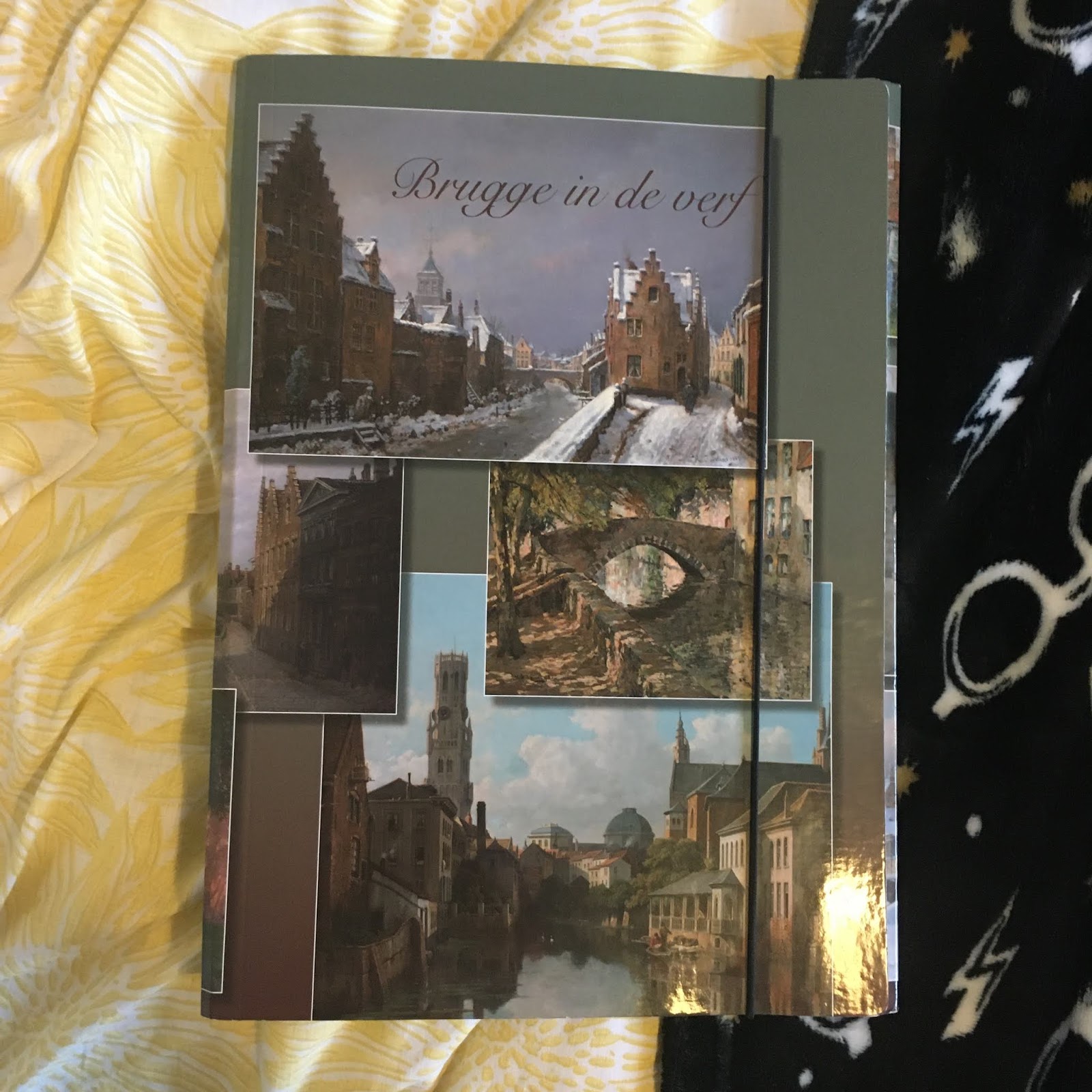
This technically doesn't go in my bag as it doesn't fit, but I also usually bring a folder. I have one that I bought while I was on holiday in Bruges for 2 euros. I really like it, but it would be so much better if it fitted in my bag. I get a lot of handouts to read and it's really useful to have somewhere to put them during the day. 
Carenza x 


Monday, 28 October 2019

How I Use My Planner to Keep on Top of Everything|CarenzaOnBooks

In the past few months, I have become someone who cannot function without out my planner. I have a Harry Potter Moleskin planner that I got for my 18th birthday and I swear by it. I have noticed that I do get more done now that I was this time last year. In this blog post, I thought I would share with you how I use my planner to organise my life. I would like to put in a tiny disclaimer and say that certain bits of information have been blocked out to protect some private information. Although I am sharing how I use my planner, it is important to me to protect personal information and I hope you guys can understand and respect this decision. 


One of the things I like the most about Moleskin planners compared to normal planners is the layout. I like having the week all on one side and then a section for notes. To me, having a section for notes is a key factor. The layout really works for me in particular as it allows me to split my week into certain sections.

At the top of each weekly spread, next to where it says the month, I like to put my overall goals for the week. It's easy for me to see what I need to get done that week without setting aside a certain day for that task. Often as the week progresses, I have to amend what I have planned, so by having my "to do list" at the top, it means I can do a task when I get some time. I also use this top section to track what week it is at university. My university plans things on the financial calendar (for some bizarre) reason and I have it converted into what week it actually is.


Down the side of each week, you will see I have blocked off a section. In this little section I have my timetable. Last year, I wrote out my timetable and it took up too much space in the day boxes. This year it means I can see what I have on each day and still put an individual plan for that day. As I'm getting busier as the term progresses, this is really helping me with making sure I don't accidentally double book myself. 

I use the notes side of the spread to keep a track of my homework/uni work and to track my finances. At the top, next to a short code for each module, I will write the task and when I have to do it by. Once I have written in all my homework for the week, I will track my finances. Obviously, I have covered up this information, but typically I write where I bought something from and then the amount. I have a colour scheme to track everything in my planner to help me keep on top of everything. 

I also use my planner to plan my blog posts and to plan my meals. At the top, next to each day, I write what I am planning on eating that day. I have been very bad at planning weekend meals, but throughout the week I do this to make sure I am only buying food I need and that nothing will get wasted. You'll notice at the bottom of each blog post day, I have written what I am planning on posting that day. Typically, I write all my posts a week in advance, so this helps me see what I have to write when I am working on blog related things.


My colour scheme was something I worked hard on last year and I am sticking by it. I will explain it to you as I feel that using colour makes things a lot easier to manage. You will notes that the majority of tasks in my planner are in blue in. Those are my "to-do" tasks. I found that having them in a different colour means they stand out more. General information is in black as that is typically the colour I write in. Meals are in green so that they stand out and blog posts are in orange, also to stand out. Another colour that I use to stand out is red for important tasks (such as meetings). In the weekly section, if it is near rent day I will have my payments in pink to stand out. Most of the colours I use are for my financial tracker so I can see where I am spending the most money. I found that by doing this it was easier for me to visualise where my money was going. So far this year, my biggest spending have been food and "fun". I have a category called fun so it means I can still treat myself, but within reason. My main expenditure for "fun" is books. I have a blog post all about tracking finances if you interested in going into that in more detail, you can read it here.    

I believe that having a paper planner is an essential for students as I find that by writing things by hand means I am more likely to remember to do them. I am going to be so sad when my Harry Potter planner runs out, but I will 100% be buying another Moleskin one as they are the best planner for me.
Carenza :)x  

Thursday, 24 October 2019

A Typical Day in My Life as a Uni Student| CarenzaOnBooks

As someone who watches a lot of studytubers, I thought it would be interesting to share my experiences and day to day life as a Creative Writing student. A lot of student bloggers/vloggers etc I feel are studying more "traditional" courses and often we don't get to learn what it's like to be an art student. I thought that it would be helpful for anyone interested in studying Creative Writing or wondering what it was like to study Creative Writing to share what a typical day in my life looks like.

I would like to start this with a tiny disclaimer- obviously, every day of my life isn't like this and I am going to be merging what I do to give a broader picture. My experience is also unique to me, so what I do as a Creative Writing student might be very different from what other people do.

Gym, 6-9am, 4 times a week

Depending on what my day looks like, I like to try and go to the gym. I have a membership to my university gym, which is a 10-15 minute walk from where I live. I am not your typical gym buff, I don't think I really know how to use the gym properly, but I try my best. At the moment, as I haven't been to the gym at all over the summer and I'm getting used to being back at uni, I'm only going for 20 minutes in the morning. I like to use to cross-trainers and that's about it. I am hoping to increase my time at the gym once I've worked out my schedule properly, but for now, I go for 20 minutes 4 mornings a week. Typically, I try to get there around opening time and I like to be home by 9am, ready to start working. I started going to the gym in my second term of uni as I wasn't getting any exercise and by paying for it, I feel that I need to get my money worth out of my membership. It's a really nice way to start my day.

Lectures, 9am-5pm, 3 times a week

Due to the nature of studying Creative Writing, my contact hours are a lot smaller than some other degrees. I have 12 hours a week split between 4 modules. I don't always start at 9am, but I do finish at 5pm every day. Typically, on my longer days, I'll be in uni all day and work in between my lectures. I'd recommend this rather than going home as it means when you go home you have less work to do and you have a clearer separation between work and home. I will say that this is very different compared to my first year of university. Second-year is a lot more intense and you are expected to do a lot more by yourself. I quite like my timetable this year as the amount I'm in uni isn't daunting but it feels like I'm still learning lots. I've also discovered that I do quite enjoy spending more time at uni and getting work done there.

Studying, various, almost every day

Most of the time when I get home from uni, I try to get as much work done as humanly possible. I do have a bit of a problem when it comes to working, but I am trying to fix it. Sometimes I only do under an hours worth of work, others I work until I am exhausted. It depends what I have to do and when I have to get it done by. On Monday's, for example, I have a lot of lecture notes to write up, so I spend a lot of time on that. But on Tuesday's, as I have the next day off, I feel less bad about taking time off and not working. It all depends on what I've got the next day and what I want to get done, whether that's for uni or for my own personal enjoyment.  

Other Activities, various, almost every day

Obviously, my whole life isn't eat, sleep, study, repeat, I do do other things with my life and I have to try and fit them in. Typically these activities can involve- blogging (I set aside three days a week to work on my blog), running my social media accounts (I have been bad at this recently, but I do tend to do work on at least one of my accounts every day), work (I have a casual part-time job), chores (sadly I have to do these every single day) and reading (I also have to do this every single day). Typically, I'll tidy my room up first thing in the morning. I'll also make sure that at some point during the day, I do my dishes. Reading I tend to do just before bed and although I've been really bad at reading, I always try to make time for it during the day as it's something relevant to my course but it's also something that is important to me as a person.

I hope that this depicts an accurate picture of what my a day in my life is like as a Creative Writing student. I know that this looks daunting, but I promise you that this is a manageable load and is just what it's like to be a Creative Writing student.
Carenza :) x           

Monday, 14 October 2019

How to Make A Uni Schedule| CarenzaOnBooks

Something I decided I want to do this year was made sure I was using my time efficiently. I feel like in my first year of university I didn't use my time efficiently and this year is already very stressful. I haven't even been back a month and I feel the pressure hitting me. So I sat down and made a schedule of how I could be using my time better and I thought I'd share some tips of how you could too.

A brief overview of what my study schedule looks like


Block Your Lessons

The thing that will take up the most of your time are your lessons. My first tip would be to block out when you have lessons.  It will mean you can see when you are free and how you can use your time. For me, most of my Monday's and Tuesday's are taken up by lessons, so I know that I won't have time to study on those days. I also have lessons on Thursday afternoons, so I know that I can spend the mornings studying. It's about working around things that you can't move and making the most of the remaining time. 

Plan Chilled Evenings

Something else I decided was pretty important was to make sure I took time off from studying. I wanted to make sure I didn't feel guilty about taking time off. I have two chilled evenings scheduled in a week, to make sure that I have more than one night off a week. It is important to let yourself have time off and to make sure you are well-rested. Making sure you are well enough to study the next day is just as important as spending all your time studying. 

Manage the Rest of Your Time

If you know if you have something planned such as work or a society, then put it in. That way you will always make time for it. Something that is really important to me is that I go to the gym four times a week. I have that scheduled in so I can make sure I have time to do it and fit everything else in that I want to do in the day. Something else that is pretty important to me is making sure I have time for my part-time job. I have all of these scheduled in so I can make sure I have time to study and get everything done.  

Make it Realistic 

You are not going to spend every waking hour studying. You have to make your schedule realistic, otherwise, you will feel pressure to achieve. You want to feel productive without feeling like you are forcing yourself to work every hour God sends. Plan for hours you will know you will be working, you don't need to map out the whole day. Mine starts at 6am (I usually get up at 7) and ends at 9pm. It's realistic. I'm currently in the process of getting used to using it to manage my time and you shouldn't be disheartened if you can't stick to it straight away.   

Saturday, 12 October 2019

How to Stay Motivated as a Student| CarenzaOnBooks

Since starting my second year of university, I've been feeling very overwhelmed and I've only been back for two weeks. I feel the jump between the first and second year was huge and that there is so much to do. So as a way to get out of this slump, I decided that I would write a post about staying motivated to motivate myself. This could just be the biggest form of procrastination, but we're going to roll with it.  I've come up with a few tips to help you stay motivated when your workload could actually crush you.


Set Achievable Goals

This is something I always struggle with is setting achievable goals. I am terrible at this. Setting achievable goals means your workload won't be as intimidating. At the moment, my homework (also known as independent study) usually takes me about three hours per module (I have four modules) and that is a lot of work. So what I do is spread out when I'm doing my work. I have one lecture on a Monday morning and then nothing till the afternoon, so I use that time to work. It means that when I finally finish for the day, I can just come home and chill. I also try to do my homework on different days so I feel like I have a bit more time to myself. Rather than trying to cram everything into one day, I set achievable goals for each day and spread my workload out. It means I don't feel as stressed by how much work I've got to do.  

Take Breaks

This is something I am also terrible at. Half the time I sit down to work, I don't move from where I'm working for several hours. I'm not exaggerating at all. I genuinely have worked for six hours without stopping. This a really bad thing to do and I do not recommend you follow my example. Something I am going to start implementing into my study sessions is breaks. By taking little breaks it means you feel a bit more motivated to continue. I don't know if you can get this app on Android, but if you have an iPhone you can download an app called Forest that helps with productivity but you can use it for making sure that you take breaks. I have it on my iPad and my iPhone. During my GCSEs, I swore by it and I'm pretty sure it's part of the reason why I did so much work. I am going to start using it again as it was very motivational. As the name suggests, you plant a virtual tree and watch it grow. I'm fairly certain after a certain point, the virtual trees you grow start being actual trees through a partner company. I found it really motivational and I am going to start using it again.
   

Make a Work and Fun Schedule 

I have made one of these and once I have settled into a routine at uni, I am going to start using mine religiously. It allows you to see what you should be doing at certain points of the day. As important as it is to see when you should be working, make sure you schedule in some fun or you will go mad. I did this during my early academic years and I did go a little bit mad. I have scheduled in two nights a week off to have chill nights. So far I have been terrible at sticking to these. Once I've got more of routine, I am going to make sure that while I am getting lots of work done, I am also going to be making sure I have downtime as university is stressful. Having a balance means you can live a more well-rounded life and not just be a ball of stress. 

I hope these tips have been helpful and if you have any more tips that you think I should add to this post, let me know in the comments below and I will add them.
Carenza x :)


Saturday, 28 September 2019

Life As A Non-Drinker At University| CarenzaOnBooks

We all know about the heavily ingrained drinking culture at university. Whether you're based in the UK or not, drinking is a key feature of your time at university. However, it is possible to go to university and not drink. I do want to start this post by saying that I am not trying to demonize the drinking culture and that I have nothing against alcohol. I also want to say that I am not trying to tell you that you cannot drink ever. If you want to drink alcohol, then that's great, but please respect other people's decisions when they say that they don't want to. 

I used to, very rarely, drink alcohol. However, once I started university I quickly realised that I really didn't like it. The reason I decided to stop drinking was that I didn't like the taste. I have no moral objection to drinking, it's purely a personal one that I don't like the way it tastes. In my first year of university, I got drunk maybe three times. Each time I didn't feel great emotionally the day after, hangover wise I was fine. It was through these experiences that I realised drinking wasn't for me. I made the decision to stop drinking entirely over the summer. I felt that there was no point trying to force myself to drink when it wasn't something I was enjoying. 

I thought that in this post I would share some tips on how you can also get through university as a non-drinker. I've come up with three tips which have helped me in my life and they might help you.


Establish Clearly Why You Don't Drink

For whatever reason, you have decided not to drink, make it clear to those around you why. It could be for religious reasons, personal experience or like me, you don't like the taste. Just make it clear and most people will respect your decision. Some people will have a hard time understanding why you don't want to drink, but if you just talk to them, they will come around. My housemates are very understanding and quickly accepted that I didn't drink. It can be difficult once people around you are drunk and they forget why you don't drink, just remind them in a friendly way and they'll be alright. The key to this step is to not come across as superior or judgemental. Explain in a calm and friendly way and most people will be accepting of why you aren't drinking.
 

Be Firm When People Get Pushy

It can be very hard when people are drunk and are trying to get you to join in. Peer pressure is real, but you don't have to give into it. Like I mentioned in the previous paragraph, just stand your ground and explain to them in a non-passive aggressive way. Sometimes I find it easier to remove myself from the situation entirely to avoid feeling like I have to do something that I don't want to do. In the morning you can explain that you felt uncomfortable and that's why you left. Being honest with people will make the situation easier for all involved.

You Can Still Join In Even If You Don't Drink  

My housemates and I are partial to the evening in. They like to get drunk and I like to hang out with them. The day I'm writing this post, the previous night two of my housemates went out for the evening and I kept them company while they were doing pre-drinks. It was one of the best nights of my life because I was having fun with my friends. I can still play drinking games with non-alcoholic drinks. I can still hang out with my friends if I'm not drinking. I'm very lucky in that my friends don't mind that I don't drink and even though I won't drink, they go out of their way to make sure I feel included. A lot of my best memories are of my friends and I hanging out while they're drinking. Yes, sometimes it is a bit tiring making sure they're okay, but on the whole, I wouldn't change a thing about it.

So those are some of my tips on how I manage my life at university as a non-drinker. I'm sure that if I can do it, then you guys can do it too.
Carenza x :) 

Thursday, 26 September 2019

How to Have a Inspirational Workspace| CarenzaOnBooks

Just like any student, actually doing my university work is something I tend to dread. It means hours spent huddled over a desk as you slowly lose the will to live. Something I decided to work on this year was to make sure that my workspace was somewhere I wanted to spend time at. I thought it would be helpful to new and old students alike if I shared my tips on how to have a motivational workspace.  

Use Things That Inspire You


Something I struggle with in particular is motivation so as a way to combat that, I chose to put some inspirational items on my desk. I have an art print of my favourite play propped against my desk and I find that by looking at it, I actually want to do more work. I also have two Pop Funkos from one of my favourite films on my desk. Obviously, this varies from person to person and what subject you are studying, but as a writer, I find it helps to have something by a writer that inspires you near your workspace. I also have a bookcase next to my desk filled with trinkets and books. I like being able to look at this when I need a break from looking at my laptop. A lot of my trinkets come from bookish and writer-related things, which means I am surrounded by even more inspiration.  

Add a Bit of Colour


If you are anything like me, then having a plain room will just depress you. The same goes for my workspace. It's somewhere I am going to be spending a lot of time, so I want to feel motivated to spend time there. I tried to make sure the items I put on my desk were colourful to brighten up the place. I also did this as the furniture around the desk are all dark wood colours and it can feel a bit dark and depressing. I added some plants in colourful pots, as well as brightly colour ben pots. I even have a little ceramic dish where I store my important everyday things (keys, wallet etc) and that looks colourful too. You don't have to go overboard, but a splash of colour can go a long way. 

Functional but Pretty


It's all very well having an Instagram worthy desk, but if it's too pretty then you can't use it. A way to make something motivational but functional is to have funky pen pots. I have a dinosaur mug that I bought from Asda as I loved it so much I knew I needed it in my life. I also have this small blue one that looks like book spines that I bought in Bruges. I knew I needed somewhere to store my receipts and my loose change, so a few years ago I bought these tins. Not only are they functional, but they're nice to look at. You can also add some costers to a workspace which are nice to look at but protect your desk from mug stains. It is possible to have a balance between an Instagram worthy desk and for it to be useable. 

Keep it Tidy


I have come to the realisation over the years that I cannot function in a messy or untidy environment. My desk is the same. For me, having a tidy desk motivates me to work. What I've started doing is to tidy my desk after each task. So if I know I don't need the book I've been reading, I'll put it back on my bookshelf. It's a fairly obvious tip, but if you can't actually work at your desk. I know from experience that working in my bed, while comfortable, means I end up doing less work and often leads to naps. Just take a few minutes every day to make sure your workspace is tidy and then you'll be motivated to work. 

I hope these tips help you to stay motivated during this academic year!
Carenza x :)  

Monday, 23 September 2019

How To Manage Student Finance| CarenzaOnBooks

We all know about the joys of university, but until you actually experience it, the financial side can be a bit daunting. I've been a student for a year now and I feel that I've got a handle on the financial side of things. In this post, I will be sharing five tips to make managing student finance a worry of the past.

1) Stick to a Budget

This is a fairly obvious tip, but it's surprising how many people forget it. When I started university last year, I picked an amount to spend every week. My weekly budget was £60 and that was to cover my food shopping and any other expenditures I'd have during the week. Typically I'd spend around £20 a week on food. With the remaining money, it meant I could go for the occasional meal with friends, go into the city centre and still by the books I wanted to read. If you set yourself a budget, that doesn't mean that you would have to spend that much money every week. Often, I would spend less than half of my budget a week. Having a budget means you are very aware of how much money you are spending and can keep a track if you are close to going over your budget. 
 

2) Plan Ahead

Planning is another key tip to keeping on top of your finances. For example, if you know someone's birthday is coming up, maybe keep a bit of money back to get them something. Another example is that I know I'm going to be in London in December to go to the theatre. So my plan is to keep part of my budget back to treat myself in London. As I know I'm going to be in London, I need to book train tickets, so one week I will spend some of my weekly budget on train tickets. If you have something planned, then make sure you can work around it and then you won't feel guilty about spending money.

3) Be Savvy Where You Can

Something that is worth learning is how to be money savvy. Where I live the nearest supermarkets are Sainsbury's and Asda. Asda is slightly cheaper, but a further walk for me. However, as I know I'll be saving a significant portion of money. It's all about knowing where you can save a little bit of money. Another good way to save money is to do some bulk cooking. I often cook something that I know will last two meals. Also, keep an eye on what's on offer at your local supermarket. If you can buy two bags of pasta for £1, do it because, in the long run, it will save you some money. Try looking at where you can find what you're looking for at a slightly cheaper price. 

4) Going Over Your Budget Isn't The End of The World

While sticking to a budget is a top tip, having the ability to be flexible is also another useful skill. Obviously, if you go a significant amount over budget, then maybe assess your spending patterns. But if you only go £5-£10 over your budget, then it isn't the end of the world. There would be some weeks where I would end up going over budget and what I would do was make sure I would spend less the next week. I would feel really bad if I ended up going over budget but I soon broke that idea down. I would tell myself it wasn't as bad as it looked, and that I would have to spend a bit less money next week. 
   

5) You Can Still Have Fun

It is possible to have fun and be financially smart. For example, I still want to buy the books I want to read. What I did was I made a list of all the books I wanted to read and as the year went on, I reassessed it and took some of the books I was less excited about off it. I also made sure that my weekly budget could accommodate if I was getting a book that week. I'm not saying that you should treat yourself every week, but if you build in a little bit of treat money then you will feel way less guilty about buying something nice for yourself.

I hope these tips are useful and help you manage your student finances. I found that by implementing these tips into my life I was spending way less money and felt less guilty when I treated myself.
Carenza x :)